October 29, 2026 · Live Q&A 1h 14m
Shoulder Season Leads, Furnace Inspections & Finding Elite Installers
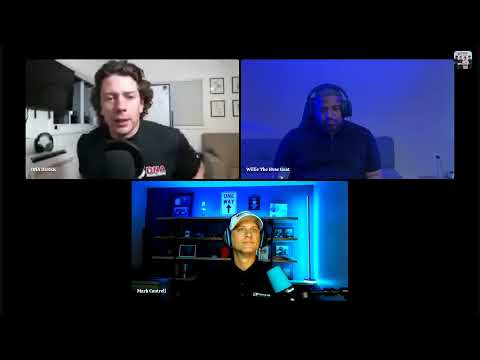
Willie and Mark are back live after a busy season. No guest this week, just the community's questions: getting calls when it's 70 degrees out, what a real furnace inspection includes, combustion analyzers, why techs feel unappreciated, and what it takes to find (and pay) an elite installer.
Meet the Hosts & Guest
Who's on this episode

Charlotte HVAC owner and founder of the HVAC IS LIFE community. Hosts the HVAC IS LIFE Podcast and co-hosts the weekly Live Q&A for contractors nationwide.

Residential and light commercial HVAC pro turned marketer. Runs Upward Bound Media, helping contractors win local search and turn their websites into a real pipeline.
Jump to section
- [2:50]Getting the Phone to Ring When It's 70 Degrees Outside
- [6:27]Use the Slow Days: Content, IAQ, and Telling People What You Offer
- [10:35]Install Pride and Why Code Is Only the Floor
- [14:38]HVAC IS LIFE Member Benefits: Amply Energy
- [18:03]Why Commercial Refrigeration Is a Great Lane
- [19:06]What a Real Furnace Inspection Looks Like
- [22:36]Clean the Unit: What the Customer Actually Sees
- [28:25]Carbon Monoxide Detectors Belong in Every Gas Home
- [31:18]HVAC IS LIFE Platform Update
- [35:09]Which Combustion Analyzer to Buy
- [40:56]Why Do Service Techs Feel So Unappreciated?
- [49:49]What It Takes to Find (and Pay) an Elite Installer
- [1:01:58]Two Installs a Day, Commission, and Quality
- [1:04:42]How Small Shops Beat Private Equity: Transparency, AI & Brand
- [1:08:42]Raise the Bar: Prep for Next Season and Keep Learning
Getting the Phone to Ring When It's 70 Degrees Outside
Mark opened with the problem every Oklahoma and Carolina shop is feeling right now: mild days, chilly nights, and almost nobody searching for HVAC services. Yet Willie, dealing with the same weather in Charlotte, is still drumming up work.
His answer is the customer database most owners never touch. Shoulder season is when you reach out to every client you haven't seen in a while, send out offers, and get maintenance agreements back on the books before things get busy again. Some bigger companies hire people just to make those calls. Willie does it himself. One customer he emailed during his rebrand actually thought the message was a scam, which says a lot about how much AI spam is out there right now. The fix was simple: a real human on the other end.
Nobody loves cold calls, and you will hear some no's. But as Willie put it, shoot your jump shot. Clients spend money with you and then never hear from you unless they're spending more. A courtesy call, a thank-you card, or a quick check-in makes them feel like family. Mark added that if calling scares you, send a text and let them call you back. Even when nobody books today, you're back at top of mind, and when the furnaces, air handlers, and heat strips fire up next month, you're the one they call.
Actionable Takeaway
Work your customer list in the slow season. Even a no puts you back at top of mind for when the heat kicks on.
Use the Slow Days: Content, IAQ, and Telling People What You Offer
Willie pointed out that slow season is regional. Florida, Texas, and California are still rolling. Mark used California as an example of a missed opportunity: when wildfire smoke drifted over the region, homeowners were worried about the air they were breathing, and almost nobody was telling them that indoor air quality products could clean up the air inside their homes. If you don't let people know a service exists, they will never call you for it.
That led to Mark's bigger push: if the truck isn't moving, you should be creating content. Start the YouTube channel. Walk people through the questions you get all year long, like which direction the filter goes in a filter grille or furnace cabinet. A 30-second video is enough. Either the truck is moving, or you should be working on what keeps it moving in the future.
Actionable Takeaway
If the truck isn't rolling, make the video. Answer the questions customers already call you about.
Install Pride and Why Code Is Only the Floor
The conversation turned to the trades and AI. Mark's take: AI isn't out there installing units, and it won't be anytime soon. Willie added that demand is real, especially on the commercial side, where companies are turning down work because their crews are overloaded and good lead installers are scarce. Customers paying today's prices want the install to look like a Benz.
Mark wants it to look like a Benz even more than the customer does. That means taking pride in the work. He also called out how different codes are across the country. He saw a contractor get roasted online for not strapping down a condenser, but hurricane straps aren't required everywhere. Florida guys deal with straps, concrete pads instead of plastic, and keeping filter driers indoors so salt air doesn't eat them. Know what your area requires, then go beyond code anyway, because you're not a hack.
HVAC IS LIFE Member Benefits: Amply Energy
Mark shared his screen to walk through the new Member Benefits section at the top of hvacislife.com. The first partner is Amply Energy, which lets you scan a home with an iPad and run the load calculation right there in the living room. HVAC IS LIFE members get 50% off their first month with the code HVACISLIFE. Mark also mentioned that Upward Bound Media offers members 10% off for life.
Willie explained that more benefits will be added as the community grows. The hosts are selective about who they partner with: they get plenty of offers, but they won't put the HVAC IS LIFE name behind just anyone. If you know a quality business that cares about the HVAC side of things and isn't just out to pocket cash, send them their way.
Actionable Takeaway
Members get 50% off Amply Energy's first month with code HVACISLIFE. More vetted partners are coming.
Don't miss the next one
Get every new Q&A in your inbox
Live episode alerts, key takeaways, and resources from each guest - every other Thursday.
Why Commercial Refrigeration Is a Great Lane
Shout-out to Bryson, who just got new vinyl on his truck and runs primarily commercial refrigeration. Willie's advice for young guys in that lane: master it, and network hard with gas station owners, restaurant owners, and vendors. Refrigeration is in demand 12 months a year. It can be 30 degrees outside and you're still going, because the customer is about to lose all their product.
What a Real Furnace Inspection Looks Like
Jake asked what the hosts' furnace inspections include: how many measurements, what they look at, and how many points. Mark started with combustion analysis, which he considers a must if you work on gas furnaces. Before that, though, he likes a visual check. Fire the furnace up, let it run through its full sequence, and watch the flame when the blower comes on. If the flame dances, get a camera on the heat exchanger. The airflow should not affect the flame at all, and he's condemned more furnaces starting from that observation than almost anything else.
From there, the checklist gets thorough. Willie added a visual on the blower wheel and looking for add-ons like media filters and air purification. His bigger point: don't cut corners. The techs who do the work and get the reps in are the ones who come out on top, and maintenance is the best time to learn a system.
On the point count, Mark's advice was to just count what you actually do. Plenty of companies pad a 35-point inspection with "take the door off" and "check the door switch." What matters is that the customer understands why you're there: peace of mind that their gas appliance is running safely and isn't putting carbon monoxide in their home. And while you're out for heat, check the air conditioner too, so you're preventing callbacks when they switch back over.
- Watch the flame when the blower starts - dancing flame means camera on the heat exchanger
- Clean the flame sensor with something non-abrasive like paper or a dollar bill, not sand cloth that strips the coating
- Confirm the igniter fires and the gas valve opens
- Put a manometer on every gas valve and set pressure to spec for natural gas or propane - many were never set on install
- Check heat rise against the range on the furnace nameplate, then adjust gas pressure and blower speed to land inside it
- Run combustion analysis and check for CO in the airstream
- Burn off every heat strip, including emergency heat, so the dust smell doesn't wake the family at 2 a.m.
- Clean and polish the furnace and condenser before you leave
Actionable Takeaway
The point count matters less than the purpose: proving the system is safe and giving the homeowner peace of mind.
Clean the Unit: What the Customer Actually Sees
One thing Mark says most techs skip: actually cleaning the equipment. A furnace that's been collecting dust for 15 years is still covered in dust when you leave, and the homeowner notices. Same with the condenser. You can pull the leaves, burn off the cottonwood, and wash the coil, but if the top is still covered in tree sap, it looks like nothing happened.
His crew used AC Shine to polish up the cabinet, and he's seen guys use Turtle Wax. It does nothing for the system, but it does a lot for your business. When the customer walks out and sees a unit shining like a new Corvette, they think you did more than the last guy ever did, and they call you next time.
Actionable Takeaway
The homeowner can't see the inside work. Make the outside shine.
Carbon Monoxide Detectors Belong in Every Gas Home
Mark wraps the inspection by telling the homeowner what he found: no CO in the airstream, combustion burning properly, heat rise in range. Then, if they don't have a CO detector, he offers one. Most won't alarm until things are already bad, but imagine if there's nothing to alarm at all.
Willie has started being more vocal about CO detectors too, since many clients either have old, unmaintained sensors or none at all. In Charlotte, he estimates about 80% of homes are on furnaces. Mark pointed out that many CO sensors are built into smoke detectors on the ceiling, and he prefers a plug-in unit mounted lower so there are no batteries to worry about. Carbon monoxide is no joke.
Actionable Takeaway
Offer a CO detector on every gas furnace call. It's a safety sale, not an upsell.
HVAC IS LIFE Platform Update
Willie gave an update on where the content is headed for 2027. HVAC IS LIFE now has its own Facebook page, Instagram, and YouTube channel, so the lives won't run through personal pages anymore. This episode was the first one streamed straight to the HVAC IS LIFE YouTube channel instead of being clipped and uploaded later. The plan is to start numbering episodes so it's easier to go back and find them.
Mark gave credit to the moderator and admin team keeping the Facebook group clean as spam attempts pile up every day, some of them getting crafty, like fake owners asking whether anyone uses an AI answering service. He also reminded viewers about the free industry job board on hvacislife.com for techs looking for work and companies hiring.
Which Combustion Analyzer to Buy
A YouTube viewer asked which combustion analyzer the hosts use. Willie is a Fieldpiece guy across the board (wireless scales, probes, and more) and is about to buy an analyzer. Moderator Zachary confirmed the Fieldpiece CAT45 and CAT85 are the common picks, with the built-in manometer being a key difference between them. Rough prices mentioned on air were about $1,200 for the CAT45 and about $1,800 for the CAT85.
One viewer leaves a printout in the furnace cabinet every year. Willie recommended a model that prints, since he knows of a state job that required printed combustion results. Mark added that those readings should also go into your CRM so you can compare them year over year. And as expensive as an analyzer is, used right, it pays for itself. That's a new furnace.
Actionable Takeaway
Pick an analyzer that prints, and log every reading in your CRM to compare year over year.
Why Do Service Techs Feel So Unappreciated?
Cody asked why service techs are so unappreciated by businesses and homeowners. On the homeowner side, Mark was blunt: a lot of companies really are out to take advantage of customers, so homeowners come in guarded. Willie added that small businesses usually get customers on the back end, after a big-box company has drained their pockets. Many homeowners don't trust small shops to still be around next year, so they call the big company first. By the time they reach you, you're part tech and part counselor, earning trust back.
Mark's advice: put yourself in that homeowner's shoes, and be transparent. Homeowners are asking AI before you show up and may be testing you. Saying "I don't know the answer to that" is perfectly acceptable. Making something up isn't, because AI will call you on it.
On the business side, Willie said appreciation starts at the top. He's seen good owners whose techs would run through a wall for them, so if techs don't feel valued, that's usually a leadership conversation. Mark added that self-reflection matters too: are you bringing the business more money than you cost? And if you really are giving your heart to someone else's dream without getting anything back, it's easier than ever to move. Good techs are in demand, and every company should value the ones they have. Techs are the lifeblood of these businesses, and as Willie put it, every install starts with a service call.
Actionable Takeaway
If you're giving your best and not getting appreciated, there's a company out there looking for you.
What It Takes to Find (and Pay) an Elite Installer
Zachary asked what an elite installer or elite fix-it tech costs. It depends entirely on the market. Mark said $25 to $30 an hour gets you there in Oklahoma, while that same rate might only get you an apprentice elsewhere. Zachary joked that he's packing his bags for Indiana after hearing what a real premium guy gets paid there.
Willie said elite installers are in a bidding war. He knows a lead installer in Charlotte who's booked through December because nobody else at his company installs at his level. Once a name rings around town, competitors are in his ear at the supply house offering another $15,000 or $20,000. It's like the NFL: a player making $100,000 isn't coming to your team for $80,000.
Mark's main recommendation is to build your own. Everyone's definition of a good install is different, so the only way to get installs done your way is to train someone your way, ideally under an elite lead who has an apprentice at his side. Hire for mentality over skill, expect a short-term hit, and pick the right guy. When a candidate shows up with photos of his past installs, that tells you he takes pride in his work, which is step one.
Both hosts shared how good work builds a reputation. Mark's old shop was known for its installs, and inspectors would tell homeowners they barely needed to check the job once they saw the company sticker. Willie noted that content has changed the game too: installers posting their work online are getting discovered, and young techs are studying the best installers like Kobe studied Jordan. Just make sure you're following people who do it right. Willie also separated good installers from elite ones: the elite can fabricate a box or panel from scratch, and a good sheet metal worker is hard to find these days.
- Pay depends on the market - $25-30/hr gets elite work in Oklahoma but may only hire an apprentice elsewhere
- Elite installers get recruited at the supply house - expect to pay elite prices to keep or win one
- Train your own under an elite lead, and hire for mentality over skill
- Ask candidates for photos of past installs - pride in the work is step one
- Fabrication separates good installers from elite ones
Actionable Takeaway
Pay elite prices or train your own. Either way, it starts with someone who takes pride in the work.
Two Installs a Day, Commission, and Quality
Mark called out a habit that kills install quality: pushing crews to do two installs a day. Nobody can do good work at that pace. Tell your team up front that quality is the only thing that matters. If it takes a second day to give the customer what they paid for, so be it.
That's also why Mark isn't a fan of installer commission. Guys on commission are motivated to bang jobs out as fast as possible. The same thing happens with sales techs. A business can have the right intentions, but put someone on commission and suddenly every bad heat exchanger becomes a $30,000 system. Commission-only pay, in Mark's view, leads to a lot of bad things, and he thinks it's a big part of where sales techs came from: you don't have to diagnose anything if the quote is always a new system.
How Small Shops Beat Private Equity: Transparency, AI & Brand
For owners wondering how to compete with private equity in their market, Mark says it's getting easier thanks to AI. Most PE-backed companies don't put pricing on their websites, but homeowners are looking for it. Put as much pricing as you can on your site, at minimum your service fees and some ranges. When a homeowner gets a $42,000 quote for a 16 SEER heat pump with no ductwork, they're going to ask AI, and AI is going to tell them to pump the brakes and get a second quote. The more information you put out there, the more AI can steer people your way.
Willie wishes more customers would spend that money with small shops. Mark's answer was branding. Small shops haven't spent enough to be top of mind, just like you'll buy Nike before a shoe brand you've never heard of. Branded trucks and vans let people know there's another option, and a strong brand makes every dollar of Google or Facebook ads go further.
Actionable Takeaway
Put your pricing online and build your brand. AI rewards transparency, and brand makes your marketing cheaper.
Raise the Bar: Prep for Next Season and Keep Learning
Mark closed with a challenge for both owners and techs. Slow season is when you dial in your systems and have your spring and summer plan figured out. If you hit walls this summer, now's the time to fix them.
To the techs: you can't just clock out. The way to become the lead tech and make more money is to keep learning your craft on your own time. Watch the installers you wish you could match, figure out what they do differently, and bring it to leadership. If other companies run combustion analysis and yours doesn't, make the case that your customers deserve it. The bar has never been lower, which makes it easy to raise. But you have to want it, because nobody else can do it for you.
Mark promised the Thursday live Q&As are back on a regular schedule, and Willie has some heavy hitters lined up for sit-down podcast episodes. If you know someone with next-level information the audience needs to hear, let them know.
"The bar has never been lower, and it is so easy. Just raise your bar."
Featured Quotes
"Shoot your jump shot, man."
"Go beyond code, man. Do these things that aren't necessarily needed to pass code, but should be done because you're not a hack."
"Installs don't just start with the install. They start with a service call."
"Nobody can install a unit the way that I want them to install a unit, because I haven't taught them yet."
"It's never personal. It's business at the end of the day."
Questions Answered
Click a timestamp to jump to that moment on YouTube.
Featured Resources & Sponsorship
Tools, offers, and partners from this episode
Tools & products mentioned
Software
Scan-the-home load calculation and heat pump design software. HVAC IS LIFE members get 50% off the first month with code HVACISLIFE.
Tools
Fieldpiece CAT45 & CAT85 Combustion Analyzers
The combustion analyzers recommended by the community during the show.
Community
Free industry job board for techs looking for work and companies hiring.
Community
Drop your questions in the group anytime.
Want to reach HVAC pros?
Sponsor a future episode of HVAC IS LIFE.
Topics
Subscribe for more
Never miss a live Q&A.
HVAC IS LIFE airs every other Thursday. Hit subscribe on YouTube and join the email list for episode alerts and show notes.
Email alerts
Get the next episode in your inbox.
Related Episodes
More Q&As from the crew.

September 3, 2026
Own Your Own HVAC Warranty Company: How Reinsurance Really Works
Tim Byrd of Warranty-RE explains how HVAC contractors can own their own warranty and reinsurance company - stop paying third parties, keep the reserves, cut taxes, and clear contingent liability before a sale.

August 6, 2026
HVAC IS LIFE Is Now a Free Platform for Contractors & Techs: Vetted Directory, Job Board & Training
Mark and Willie unveil the new hvacislife.com: a vetted contractor directory, a free job board with no recruiters, and a training library - plus airflow before charge, load calcs, and lead gen that actually works.

July 23, 2026
How to Sell Your HVAC Business - And What It's Actually Worth with James Gorzynski
Certified Exit Planning Advisor James Gorzynski on what an HVAC business is really worth, SDE multiples, clean books, the 345 method, private equity, license transfer, and what kills deals.
July 9, 2026
All-Electric HVAC, Reddit Leads & AI Search with Derek Aarstad of DNA Heating and Cooling
Derek Aarstad of DNA Heating and Cooling on getting 3-4 clients a month from Reddit, showing up in AI search, going all-electric, combustion analysis, and building a boutique HVAC shop that lasts.
Take it further
Bring this conversation into the community and the education library.